 SiImageGen
Flux 3 samples from launch week
We generated these five pictures on October 2, 2026, the day after release, at 1K with one image per prompt. Under each one is the prompt, word for word, and the settings.
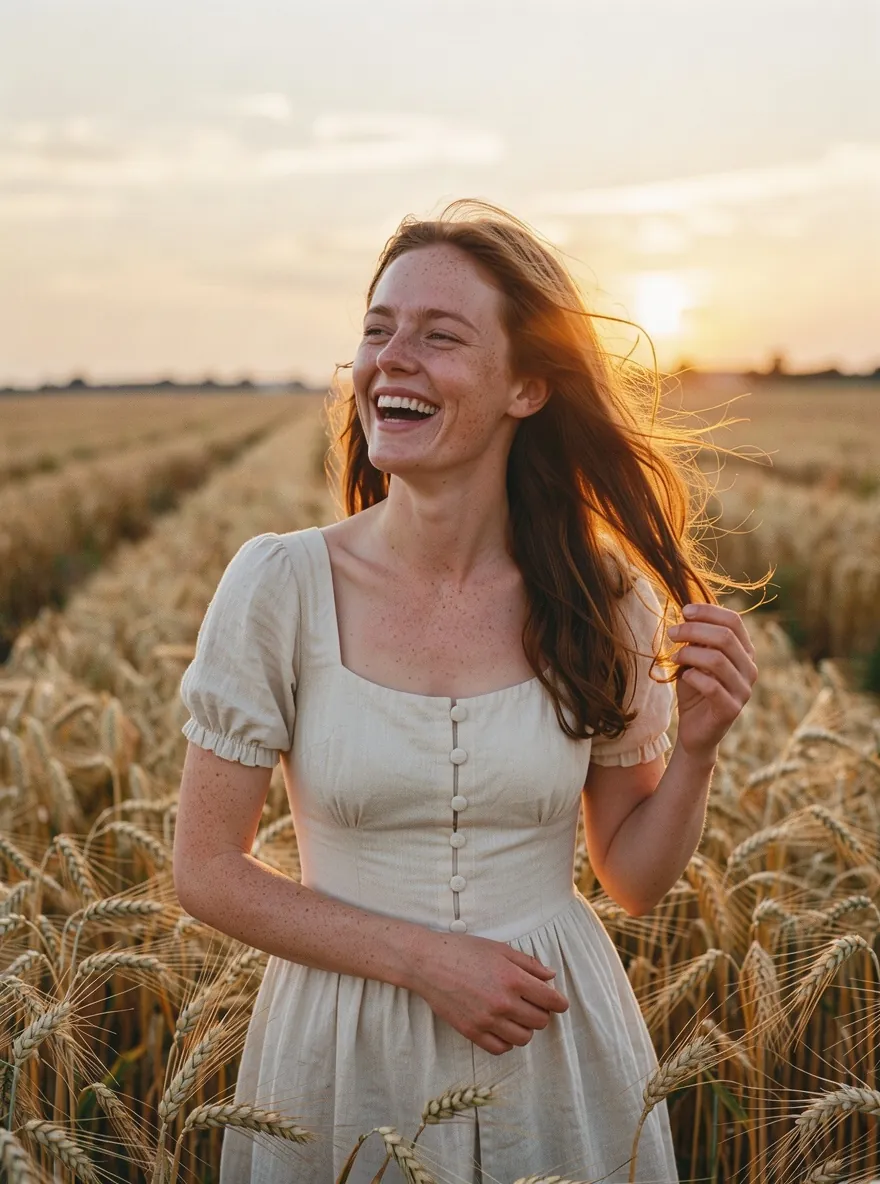
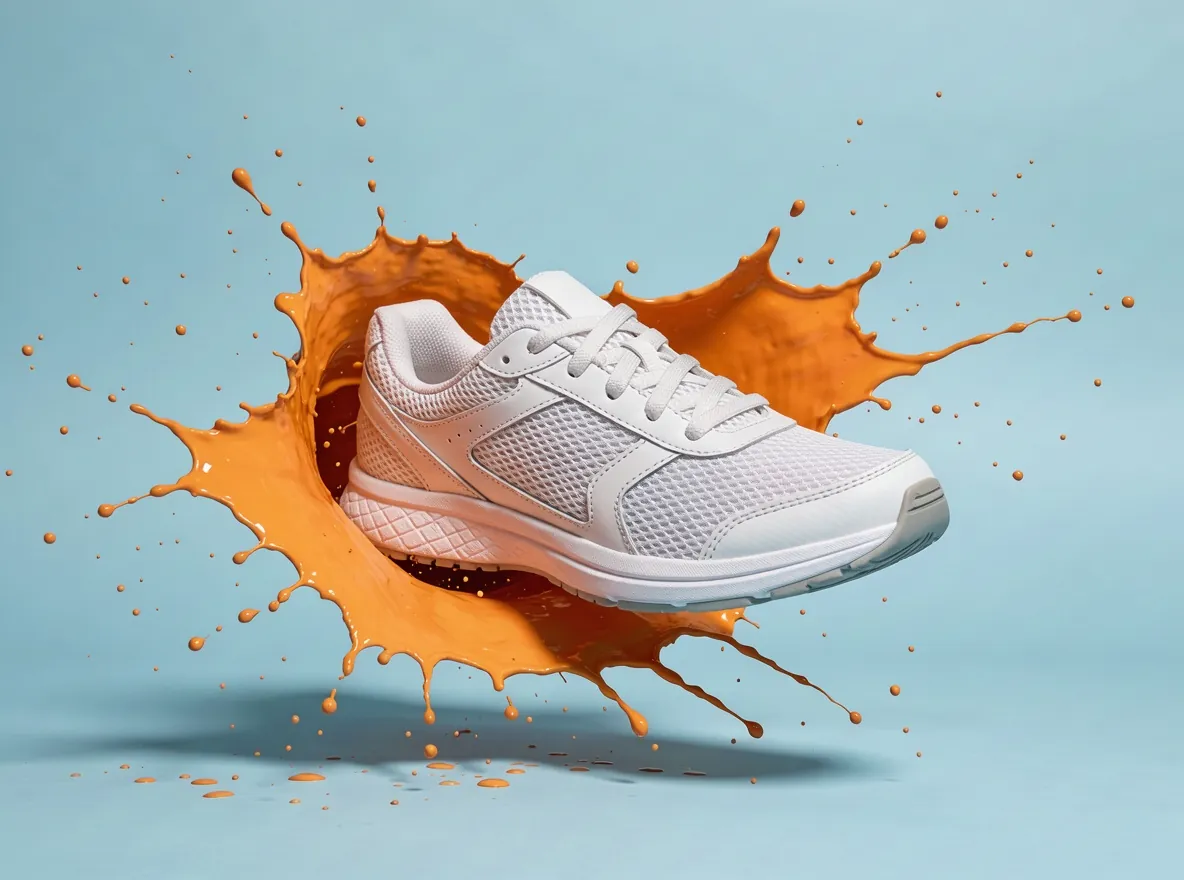
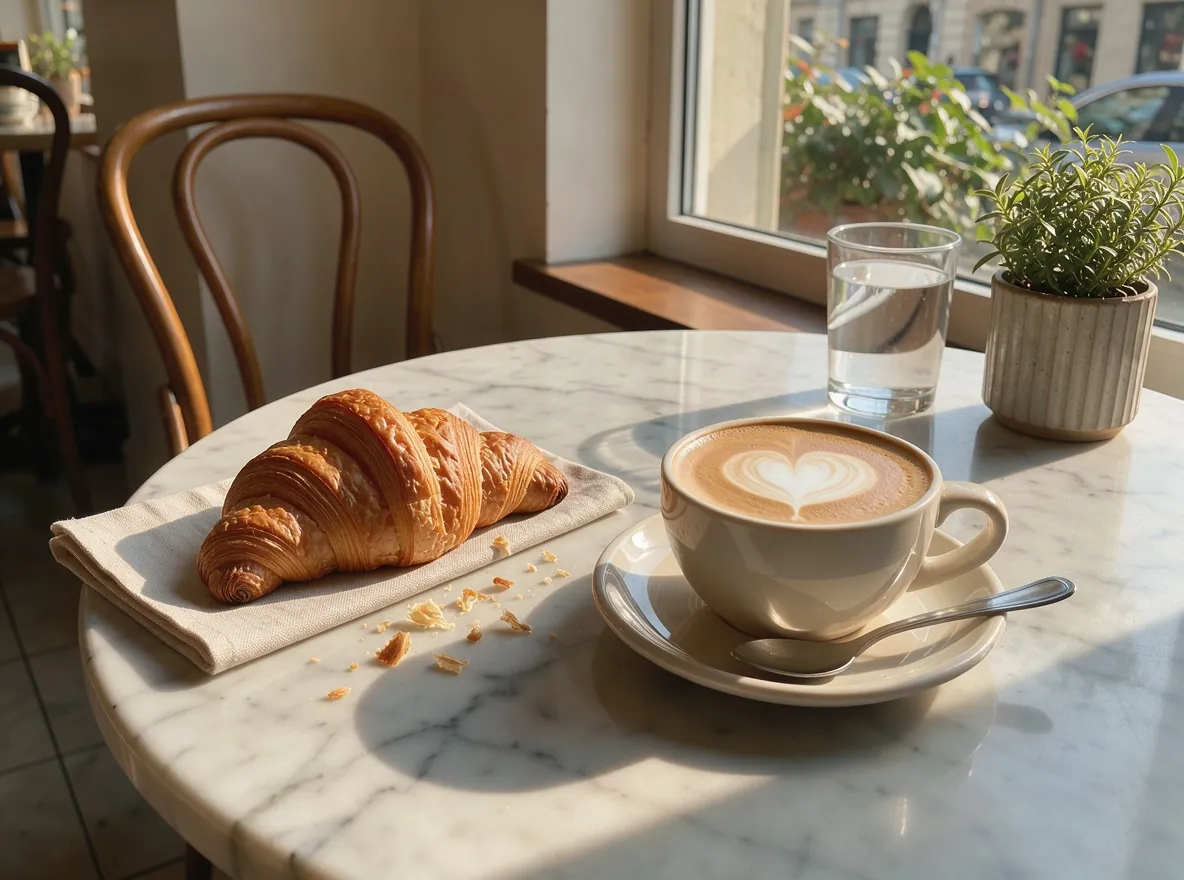
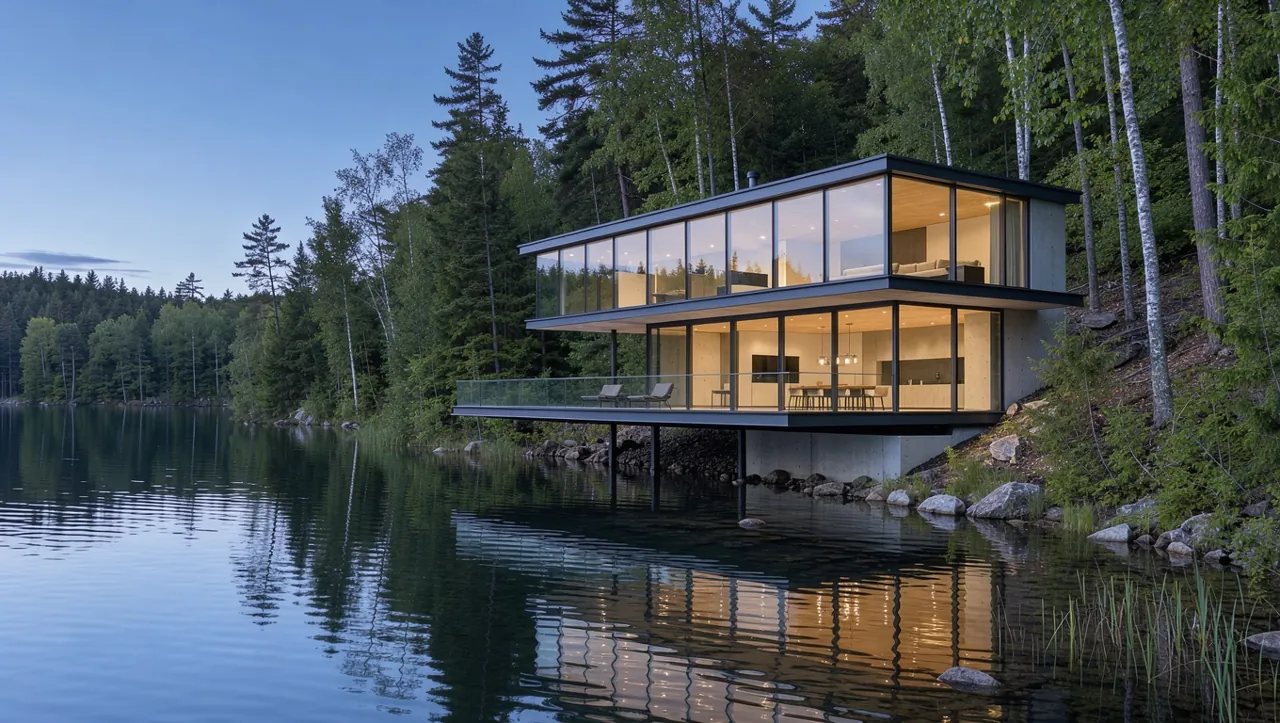
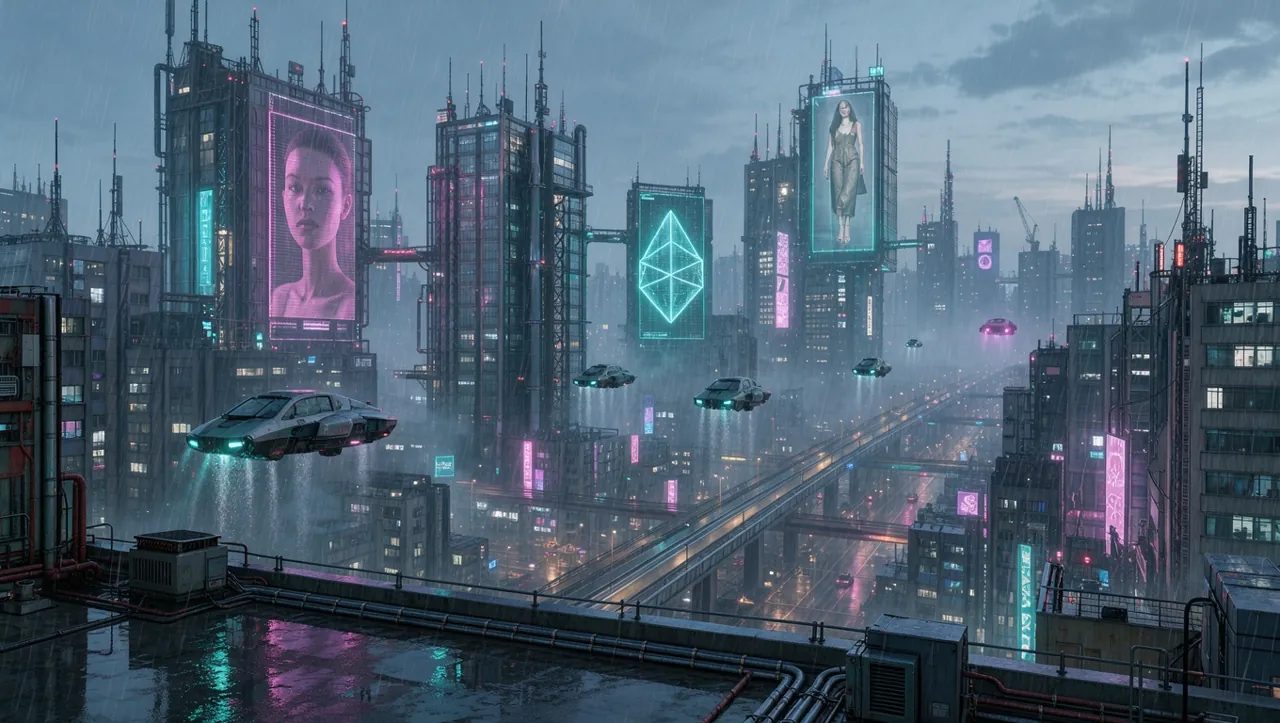
What stands out is texture. The sneaker’s mesh and the flying drops of paint stay crisp; the portrait keeps freckles and loose strands of hair against the backlight instead of smoothing them away; the café table shows marble veining under a foam heart. The two 16:9 scenes, the glass house and the cyberpunk skyline, hold detail deep into the background.
What the new model can do
These are the specifications on fal’s Flux 3 Image page as of October 2, 2026, next to what SiImageGen uses:
- Generation and editing. One model creates images from text and edits pictures you supply.
- Up to 10 reference images per edit at the provider; the composer here accepts four.
- Eleven aspect ratios, from 21:9 panoramas to 5:7 portraits. We offer seven: 1:1, 4:3, 3:4, 16:9, 3:2, 4:5, 21:9.
- 512 px to 4K output at the provider. We render at 1K, about one megapixel: 1184 × 880 for 4:3 and 1360 × 768 for 16:9 in our tests.
You won’t find benchmark claims against earlier Flux releases here. The model only launched on October 1, independent comparisons take time, and the samples on this page are the evidence we can stand behind.
How to use Flux 3 online
- Write the prompt in the box at the top of the page; the model is already preselected.
- Pick a shape from the aspect-ratio menu, using the guide further down.
- Attach references with the Image button when you want an edit rather than a brand-new picture.
- Generate and sign in when asked. Your picture appears in the create workspace with options to download it, copy its settings or keep editing.
Flux 3 price after the launch discount
Our provider is running a 50% launch discount on Flux 3 until October 8. Rather than advertise a price that doubles a week later, we charge the regular rate from the start: 18 credits per image for text to image and editing alike, before and after the promotion.
| Request | Credits | ≈ Starter price | Images per Starter pack |
|---|---|---|---|
| Flux 3 | |||
| Text to image at 1K | 18 | $0.16 | 61 |
| Edit with up to four references at 1K | 18 | $0.16 | 61 |
Dollar figures use the Starter pack: $9.90 for 1,100 credits, bonus included. Each request returns one picture, so run the prompt again or change a phrase for variations. Failed renders are refunded automatically, and larger packs are listed on the pricing page.
Editing with several references
References turn the model from a generator into an editor. Three ways to combine them:
- Product and setting: your packshot plus a photo of the location; ask for the product placed there with its label unchanged.
- Brand and product: a logo file and a plain product photo; ask for the logo printed on the packaging.
- Style match: two or three frames from an existing campaign, with a prompt for the new subject in the same look.
Refer to images by position (“the bottle from the first image, the terrace from the second”) and keep each instruction concrete. An edit costs the same 18 credits as a fresh image.
Prompting Flux 3 for photoreal results
Write prompts the way a photographer briefs a shoot: the shot type first (“portrait”, “product photography”), then subject and action, then light, lens and color. The portrait prompt above names golden-hour backlight, an 85mm lens and natural skin texture, and the image shows all three. For commercial work, keep backgrounds simple and name them by color, such as “clean pastel blue background”, so the product stays the hero.
Which aspect ratio to choose
- 1:1 for marketplace listings, avatars and square feed posts.
- 4:5 and 3:4 for portrait posts that fill more of a phone screen, like the golden-hour sample.
- 4:3 and 3:2 for classic photo framing, blog images and product grids.
- 16:9 for slides, video thumbnails and website headers.
- 21:9 for cinematic banners and wide landscapes.
Good first projects
Our launch-week samples point to four natural jobs: product ads (the sneaker), people and lifestyle scenes (the portrait and the café), architecture and interiors (the glass house), and concept art for games or pitches (the cyberpunk city). For a shop listing, generate the scene first, then run an edit with a real photo of your item as a reference so the product itself stays accurate.
Photoreal output calls for care with people. Describe fictional faces, or upload photos you have the rights and consent to use; our Terms of Service rule out deceptive deepfakes of real people.
Flux 3 or another model?
Every model on SiImageGen shares one credit balance, so switching costs nothing extra. Flux 3 is our pick for photoreal portraits, products and architecture at 18 credits. For low-cost 2K drafts in batches of four, Seedream 5 Flash charges 10 credits per image. To edit a photo you already have, or to keep one character consistent across a series, Nano Banana 2 is the specialist at 29 credits. When a still should move, the SI video generator at SiVideoGen, our sister site, can animate it.
Flux 3 FAQ
When was Flux 3 released?
Black Forest Labs released it on October 1, 2026, and it went live the same day, listed on fal as “Flux 3 Image”. You can use it on SiImageGen now.
Is Flux 3 free?
You can start without paying: new Google accounts receive 50 credits, which covers two images. After that, credit packs start at $9.90. Each render has a real compute cost, so free credits are a starting allowance rather than a standing plan.
Will the price go up after October 8?
Not here. We already charge the regular rate, so 18 credits per image stays the same when the provider’s launch discount ends.
How many reference images can I use?
Up to four per request on SiImageGen. Through the provider’s API the model accepts up to 10.
What resolution are the images?
1K, roughly one megapixel. The model can output anything from 512 px to 4K at the provider; every image on this site is rendered at 1K.
FLUX is a trademark of Black Forest Labs. SiImageGen is an independent service that runs the model through fal.ai’s model API and is not affiliated with Black Forest Labs.